Why Invest in the Right Commercial Trash Receptacle for High-Traffic Areas?
High-traffic environments—from busy downtown streets to transit stations and bustling commercial complexes—demand more than just basic waste bins. The durability, functionality, and design of commercial trash receptacles play a vital role in maintaining cleanliness, public safety, and overall user experience. When you're selecting waste management solutions for these high-volume spaces, the difference between an average bin and a thoughtfully engineered receptacle is massive. It's not just about holding garbage—it's about resilience, sustainability, and smart design.
In this blog, we explore the crucial components that make a great commercial trash receptacle suitable for high-traffic areas. Whether you’re a facility manager, a property developer, or a municipality planning urban infrastructure, understanding what to look for in your waste receptacles is the first step toward a cleaner, more efficient environment.
Built for the Long Haul: Weather-Resistant Construction Is Non-Negotiable
This is paragraph text. Click it or hit the Manage Text button to change the font, color, size, format, and more. To set up site-wide paragraph and title styles, go to Site Theme.
Engineered to Deter Vandalism and Misuse
In high-traffic settings, the durability of a waste receptacle isn't just about weather—it’s also about human interaction. Unfortunately, vandalism and misuse are common in urban or unsupervised environments, which can damage waste bins and disrupt maintenance schedules.
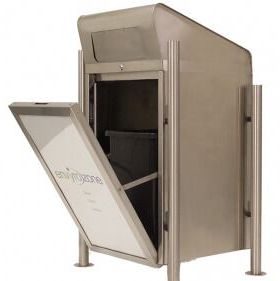
A truly commercial-grade receptacle should include:
- Lockable access doors to prevent tampering
- Tamper-resistant hinges and lids
- Fire-resistant inner liners for added safety
- Anchoring capabilities to secure the bin to the ground or wall
These features don’t just protect the receptacle; they protect your investment and reduce the cost of frequent replacements or repairs.
Volume Matters: Why High-Capacity Design Saves Time and Money
High-traffic areas naturally generate more waste, and smaller bins require more frequent servicing. This not only increases labour costs but also increases the risk of overflow, leading to unpleasant odours, vermin problems, and visual clutter.
A high-performing receptacle should provide:
- Large internal capacity (80L–120L or more) for less frequent emptying
- Internal bag retention rings to keep liners in place
- Dual- or multi-stream configurations for recycling and organics separation
- Clear waste stream labelling to encourage proper disposal
With thoughtful design and large volume capacity, you cut down on service intervals without compromising cleanliness or functionality. More space means more efficiency.
Accessibility and Ergonomics: Ease of Use for Public and Maintenance Crews Alike
When it comes to public use, accessibility is key. An ideal waste receptacle should be simple and intuitive for pedestrians to use and equally convenient for maintenance crews to service.
Optimized ergonomic features include:
- Front or top-access doors to allow quick liner changes
- Wide openings at an accessible height for users of all abilities
- Smooth surfaces and edges for safe handling
- Integrated handles or cart-compatible wheels for mobility during servicing
When bins are easy to use and easier to service, user participation increases—and maintenance staff can work more efficiently. These details matter in keeping operations running smoothly in high-traffic zones.
Seamless Aesthetic Integration: Form Meets Function
While functionality is king, the appearance of your receptacle contributes to the overall ambiance of your environment. Modern urban planning and commercial developments often integrate waste receptacles into a broader design theme.
Aesthetic elements to look for:
- Customizable finishes and colours to match site branding
- Architectural design compatibility to blend with street furniture
- Optional signage panels for community messaging or branding
- Enclosed waste streams to maintain a tidy look and feel
Bins don’t need to be eyesores—they can elevate the visual language of your space while quietly doing their job.
Sustainability in Every Component: Environmentally Smart Design
Today’s top-tier waste receptacles are built with sustainability in mind, both in how they’re manufactured and how they support waste diversion efforts. The materials used and the ability to guide users toward better waste habits go hand-in-hand.
Sustainable features include:
- Recycled or recyclable materials in bin construction
- Separated waste stream bins for recyclables, organics, and landfill
- Durable parts and modular design to reduce full-bin replacements
- Smart waste sensor compatibility to optimize collection routes
When your waste solution supports environmental initiatives, it reflects your organization’s commitment to sustainability and responsible resource use.
Safety Comes First: A Must for High-Pedestrian Zones
This is paragraph text. Click it or hit the Manage Text button to change the font, color, size, format, and more. To set up site-wide paragraph and title styles, go to Site Theme.
Ease of Installation: Fast, Secure, and Adaptable
Time is money—especially during installations in active commercial settings. Your bin should be designed for quick assembly and secure placement, without causing disruption to your site.
Efficient installation traits include:
- Pre-drilled mounting holes for quick ground securing
- Adjustable feet or bases to accommodate uneven surfaces
- Lightweight modular parts for fast transport and setup
- All-in-one units that reduce parts confusion
Choosing an easy-to-install solution minimizes downtime and deployment costs while ensuring that your site stays operational throughout the process.
Smart Features: A Nod to Modern Technology
In the digital age, your waste receptacles can do more than store trash—they can be part of your smart city or facility strategy. Innovative add-ons improve efficiency and reporting.
Advanced features worth considering:
- Fill-level sensors that notify crews when a bin needs to be emptied
- Solar-powered compactors to increase holding capacity
- QR-coded service logs for tracking cleaning schedules
- IoT integrations for data-driven waste management decisions
These intelligent features streamline operations and ensure that resources are allocated where they’re most needed—enhancing public service and saving operational costs.
Designed for Longevity: A True ROI Booster
Ultimately, your investment in a high-quality commercial trash receptacle should deliver years of performance. Short-term savings with budget bins often lead to long-term costs. With the right design and engineering, a quality bin can last for years without requiring replacements.
Durability traits to prioritize:
- Impact-resistant frames to withstand wear and tear
- Replaceable parts and panels to extend lifecycle
- Manufacturer warranties that back up the build quality
- Compatibility with future upgrades for add-ons and tech features
When you consider the total lifecycle cost, it’s clear that high-quality waste solutions offer unmatched return on investment in high-traffic areas.
Your Waste Management Partner in Clean, Smart Design
At Envyrozone, we specialize in providing innovative, high-performance commercial waste receptacles built for the demands of busy urban and commercial spaces. Every product we design is crafted with durability, sustainability, and user experience in mind. From weather-resistant materials to anti-vandal features and smart waste solutions, our bins are engineered to stand the test of time.
We understand what it takes to maintain cleanliness and order in high-traffic zones—and we’re proud to support municipalities, property managers, and businesses across Canada in achieving their waste management goals.
Discover the perfect blend of durability, design, and sustainability with Envyrozone—your trusted partner in smart waste solutions.