Can Smarter Recycling Bins Boost Sustainability and Cut Waste Contamination?

February 2, 2026

We’re living in a world where environmental sustainability is no longer a choice — it’s a necessity. Municipalities, corporations, schools, and commercial spaces across Canada are aiming to divert waste from landfills and lower their carbon footprint. Yet, even the most well-intentioned recycling efforts often fall short, plagued by a common issue: contamination. Recyclables tossed into the wrong bins, or worse — trash contaminating entire batches of sorted recyclables — is a widespread problem that disrupts the circular economy.

That’s where modern recycling sorting bins come in. Far from being just containers, today’s clearly labelled, compartmentalized recycling bins are functional tools for reducing contamination, improving diversion rates, and supporting long-term sustainability.

Why Traditional Bins Are Part of the Problem

In many public and commercial spaces, standard recycling setups consist of a single blue bin with little to no labelling. This outdated method leads to guesswork. When people are unsure where to toss that greasy pizza box or used paper cup, they often make the wrong choice — contaminating an entire recycling stream in the process.

The traditional approach relies heavily on user awareness and visual cues alone. With inconsistent signage and bin colours across cities and facilities, it’s no wonder Canadians are confused. This inconsistency not only undermines recycling outcomes — it costs municipalities millions of dollars every year in processing and rejected loads.

The Science Behind Contamination and Its Impact

Contamination happens when non-recyclable materials are mixed with recyclable ones, making it harder — and sometimes impossible — for sorting facilities to process materials effectively. For example:

  • A single plastic bag in a load of paper recycling can result in the entire load being diverted to a landfill.
  • Food-soiled containers, like yogurt cups or pizza boxes, can compromise batches of clean paper or cardboard.
  • Electronics, batteries, and other hazardous waste thrown into blue bins pose safety risks and equipment damage.

In essence, contamination reverses the good of recycling — wasting resources, time, and energy. Clean recycling streams are vital for efficient resource recovery, and the type of bin system you implement plays a critical role in achieving that.

Enter the Era of Compartmentalized, Clearly Labelled Recycling Sorting Bins

Smart waste management begins with intentional design. The latest recycling bin systems feature multiple compartments for different waste streams — typically organics, recyclables, and landfill waste — clearly labelled with intuitive icons, colours, and text.

This multi-stream approach not only helps users quickly identify where items should go but also helps custodial and waste management teams collect cleaner, pre-sorted materials.

Real-World Results — How Facilities Benefit from Smarter Sorting

Modern recycling sorting bins aren’t just about good intentions — they deliver measurable results.

In Canadian campuses, airports, and commercial buildings where modern sorting systems have been implemented:

  • Waste diversion rates improved by over 40%.
  • Contamination rates dropped by as much as 60%.
  • User engagement and recycling awareness increased noticeably.

These results demonstrate that strategically designed bins drive better behaviour, helping organizations meet ESG targets, reduce landfill fees, and strengthen their reputation for environmental stewardship.

Your Partner in Smart Waste Management

At Envyrozone, we believe that the future of sustainability lies in smarter systems, cleaner design, and data-driven waste solutions. Our wide range of customizable recycling and waste bins are crafted for performance, durability, and visual impact — ideal for public spaces, educational institutions, airports, office buildings, and beyond.

Ready to elevate your sustainability efforts? Choose Envyrozone for innovative, smart recycling solutions that make every sort count!
February 2, 2026
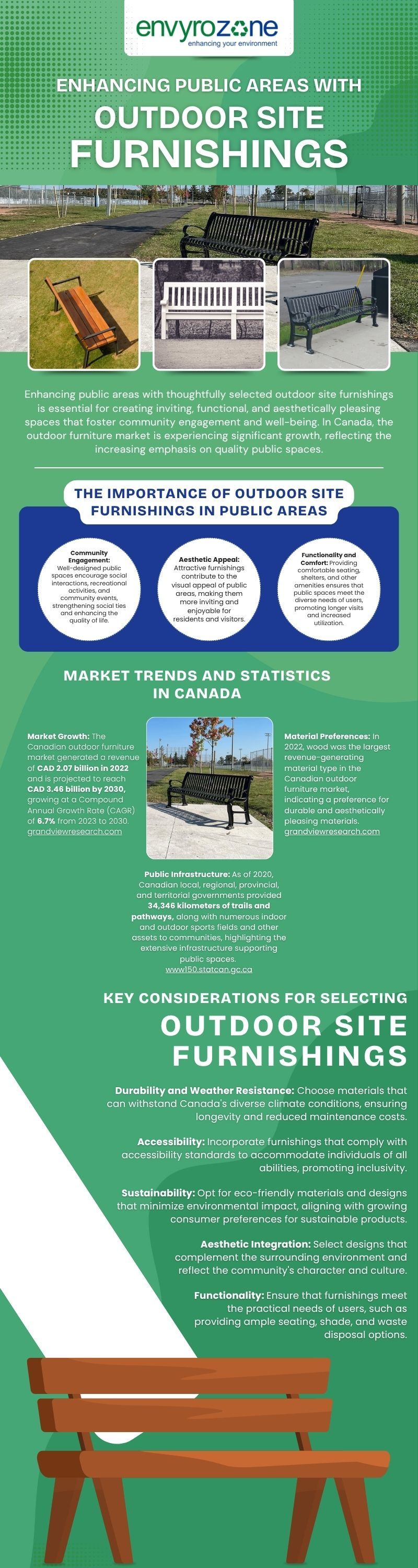
Explore how smarter outdoor furnishings enhance public spaces through better design, sustainability, accessibility, and user experience—helping cities, campuses, and commercial areas create inviting, future-ready environments.
By Nik U July 14, 2025
Compare local vs. overseas recycling bin manufacturers to make informed sourcing decisions. Explore the pros and cons of each option and find the best fit for your sustainability goals with Envyrozone.
By Nik U July 14, 2025
Explore custom-built recycling stations designed for high-traffic environments. Discover durable, efficient, and visually appealing solutions tailored to meet your sustainability goals with Envyrozone.
By Nik U July 14, 2025
Discover why modular design is essential in commercial recycling bins. Learn how flexible, scalable, and efficient designs improve waste management and support sustainability goals with Envyrozone.
By Nik U July 14, 2025
Explore the ultimate material guide for recycling containers. Learn how to choose the best materials based on durability, sustainability, and design needs with expert insights from Envyrozone.
By Nik U July 14, 2025
Learn how custom manufacturing of recycling containers helps businesses meet compliance and green certification standards. Discover sustainable solutions tailored to support your environmental and regulatory goals with Envyrozone.
By Nik U July 1, 2025
Learn how coordinated site furnishings can transform public spaces. Discover design strategies that enhance functionality, aesthetics, and user experience with Envyrozone’s expert solutions.
By Nik U July 1, 2025
When it comes to planning outdoor spaces, whether it’s a city park, a university campus, or a busy shopping plaza, having the right waste and recycling bins in the right spots is a must. But it’s not just about putting a bin here and there. We believe the way we place them matters a lot. Good litter bin site planning helps keep our public spaces clean, easy to use, and pleasant for everyone. At Envyrozone, we always keep it simple and clear. We focus on making sure bins are easy to find and use, so people don’t have to go out of their way to do the right thing. When bins are in the right places, it becomes second nature for everyone to keep the area tidy. We also follow recycling bin placement guidelines that make sense for each space. This means thinking about how people move through the area and making sure bins are always close by when needed. Whether it’s by a bench, near a walkway, or close to food stalls, good bin placement helps everyone do their part. Follow the Foot Traffic Start by watching how people move around the space. We should place bins where folks naturally walk, like along pathways, sidewalks, and near benches, and in busy spots like food courts or bus stops. When a bin is close by, people are more likely to use it. That helps cut down on litter and keeps the place looking clean and nice. A good way to think about it? If someone walks 25 to 30 steps without seeing a bin, they might just toss their trash on the ground. That’s why recycling bin placement guidelines suggest putting bins where they’re easy to spot and reach. We want to make sure that no matter where someone’s going, there’s always a bin nearby. That way, there’s no excuse for trash to end up on the ground. It's a simple step, but it goes a long way in keeping our spaces tidy and welcoming for everyone. Visibility is Everything You’d be surprised how often a bin gets missed just because it’s tucked behind a bench or blends into the background. We make sure our bins are easy to see. Bright colours, clear labels, and placing them where people naturally walk, like entrances or busy corners, help everyone know exactly where to toss their rubbish. When we have more than one bin, like waste, recycling, and compost, it becomes even more important to have signs that are simple and clear. Each type of bin should look different with colours and pictures that make sense. This helps people sort their waste the right way without having to stop and think too much. We keep litter bin site planning in mind from the start so everything fits well into the space and works with how people move around. Our bins aren’t just containers for rubbish; they become a natural part of the area. Accessibility Shouldn't Be an Afterthought Inclusive design means thinking about everyone, including people with disabilities. That’s where ADA considerations come in. We always want to make sure that receptacles are easy to reach from a wheelchair and have clear access in front of them. Lids should be simple to open with one hand and should not need a tight grip or twisting. If we’re using stations with doors or flaps, let’s make sure they open without much effort. The area around the bin should also be strong and even. It’s better to have paved paths instead of gravel or soft grass so that everyone can get to the bin easily. These recycling bin placement guidelines help us create spaces that are easy and comfortable for all people. When we follow them, we make our place more open and friendly. Keep Entrances Clear While it may seem like a good idea to place bins right at the entrance of a building or facility, we’ve found that this can actually cause clutter and make it harder for people to move in and out. Instead, we follow recycling bin placement guidelines that suggest placing bins just outside the main walking paths. That way, we avoid crowding while still keeping things easy and handy for everyone. Another helpful step we take is putting bins close to exits of seating areas, food trucks, or picnic spots. People usually throw away their trash as they leave, so it just makes sense to have bins nearby. It keeps things neat without much effort. We always try to follow simple and clear litter bin site planning tips to make cleanup easier and to help people do the right thing. At the end of the day, it's all about keeping our spaces clean, tidy, and welcoming for everyone. Spacing Matters More Than You Think Too many bins in one place can feel a bit much, while too few can leave people unsure where to throw their trash. That’s where litter bin site planning really helps. We want to make it easy for everyone to do the right thing without making the space look cluttered. In big open areas, we find that a simple grid works well. Placing bins around 100 to 150 feet apart usually keeps things neat and within reach. For walkways or trails, one bin every 300 to 500 feet is often just right. We also like to group bins near busy spots where people gather. But we’re careful not to crowd the area with too many. It’s all about finding that sweet spot. We want enough bins so people never have to look too far, but not so many that they take over the whole view. Final Thought Proper bin placement is more than just a maintenance issue; it’s part of building a cleaner, safer, and more enjoyable place for everyone. When we follow simple and thoughtful placement methods, we make it easier for people to use the bins and also show that we care about keeping the area clean and welcoming. Whether we’re looking after a park, school campus, shopping area, or city walkway, a bit of careful planning goes a long way. At Envyrozone, we believe that litter bin site planning is not just about where the bin goes. It’s about making sure the bin fits in well with the surroundings and helps people do the right thing without thinking twice. By placing bins the right way, we help support good habits and keep things neat without affecting how the place looks. Following easy steps for recycling bin placement helps the bins do their job while still looking like they belong there. Contact Envyrozone today to create cleaner, smarter outdoor spaces with expertly placed waste and recycling solutions.
By Nik U July 1, 2025
Explore custom branding options for outdoor waste bins. Enhance your brand visibility and promote sustainability with personalized, high-quality waste solutions from Envyrozone.