How Can Seamless Bin Integration Elevate Sustainable Outdoor Design?
The rise of eco-conscious living has reshaped the way urban planners, architects, and landscape designers approach the development of outdoor environments. Gone are the days when recycling and trash bins were awkward afterthoughts, disrupting the visual harmony of otherwise meticulously designed outdoor settings. Today, the modern approach is holistic—where sustainability meets design elegance and waste management solutions are intentionally crafted into the architectural and landscaping blueprint.
This transformation isn't just aesthetic—it’s functional, strategic, and essential for achieving environmentally responsible spaces that serve communities without compromising design integrity. In this blog, we explore how recycling and waste receptacles can be purposefully integrated into outdoor layouts to support a sustainable, aesthetically pleasing future.
Design Begins with Intent: Making Waste Solutions a Design Priority
When starting a design for parks, public plazas, campuses, or commercial spaces, the inclusion of recycling and waste bins must no longer be delayed to the final stages. Instead, these elements should be part of the initial schematic and planning phase.
Waste management is a fundamental function of every space—people generate waste wherever they go. Placing bins as an intentional design feature ensures flow, cleanliness, and usability, all while preserving the visual and spatial identity of the environment.
Thoughtfully chosen bins with a modern profile can blend into structures, pathways, greenery, or gathering areas. By doing so, waste management transitions from a logistical necessity to a celebrated element of the built environment.
Material Matters: Durable, Weather-Resistant, and Eco-Conscious
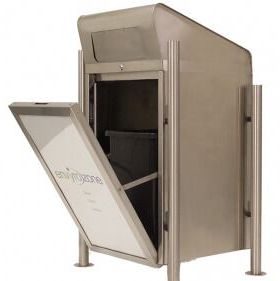
High-performance materials are essential for outdoor bin integration. Stainless steel, powder-coated finishes, and recycled materials are not just robust—they're indicative of the design’s environmental ethos.
Select bins that offer:
- UV protection
- Rust resistance
- Graffiti-proof coatings
- Recyclable or recycled materials
A sustainable material approach for waste containers ensures durability, minimizes maintenance, and reinforces the values behind the outdoor space design. These elements also communicate environmental stewardship to users, nudging them to participate more consciously in recycling efforts.
Achieving visual harmony between waste receptacles and their surrounding landscape or architecture is pivotal in elevating their perception from utilitarian to artistic.
Key design strategies include:
- Complementary colour schemes that blend or accentuate
- Shape and texture alignment with natural or built elements
- Modular bin groupings that mirror spatial layout
- Placement symmetry for architectural balance
Bins can be designed to mimic the look of seating, fencing, or planter boxes. With sleek silhouettes, minimalist profiles, and neutral tones, they seamlessly integrate with modern design language. The outcome is an environment where functionality is not sacrificed for form but instead enhanced by it.
Smart Placement: Enhancing Accessibility and Flow
This is paragraph text. Click it or hit the Manage Text button to change the font, color, size, format, and more. To set up site-wide paragraph and title styles, go to Site Theme.
Sustainable Messaging Through Design Language
Modern outdoor design does more than create spaces—it tells a story. The inclusion of custom labelling, branding, and colour-coded bin streams visually reinforces a site’s commitment to sustainability.
Choose bins that allow:
- Engraved or printed graphics
- Interchangeable panels for messaging
- Bold typography that encourages participation
A simple "Recycle Here" etched into a steel panel or a colour-coded lid differentiating waste streams can guide and educate users without disrupting the visual flow of the space. This not only boosts recycling rates but also builds a cultural identity around environmental responsibility.
Architectural Integration: Built-In, Blended, and Beautiful
Going beyond standalone bins, many cutting-edge designs are now embedding recycling and trash solutions directly into architectural features. Walls, benches, partitions, and planters can house custom-fitted bins, reducing clutter and enhancing cohesiveness.
Architects can collaborate with product designers to:
- Integrate waste units within facade recesses.
- Disguise bins within stone or wood elements.
- Include pull-out bin drawers in larger structures.
This approach allows waste solutions to disappear into the design, making them accessible but not intrusive. It’s a subtle yet powerful nod to thoughtful sustainability.
Landscape Synergy: Naturalizing the Necessary
In landscape architecture, bins don’t have to break the natural aesthetic. Instead, they can harmonize with foliage, paving, and hardscaping to complement the setting.
Popular tactics include:
- Concealing bins in green zones
- Using wood-look finishes or earthy colours
- Tucking bins behind shrubs or low walls
- Using landscaping to frame bin clusters attractively
Bins can even be paired with native plants or vertical gardens, reinforcing eco-conscious branding and integrating waste management with the natural world.
Modularity and Scalability: Future-Proof Your Design
The best designs are scalable and adaptable, allowing outdoor spaces to grow, shift, or evolve without disrupting their sustainability goals. Choose bin systems that support:
- Modular expansions (adding more units as needed)
- Flexible orientation for various layouts
- Easy maintenance access without structural changes
This ensures the waste infrastructure grows with the space, adapting to increased traffic or evolving design updates without requiring a complete overhaul.
Technology and Innovation: Smart Waste Management
Smart bins equipped with fill sensors, automated compaction, or solar-powered tech are redefining waste collection efficiency. Integrating these into outdoor layouts ensures functionality without the need for constant monitoring or overflow incidents.
Features to look for:
- Real-time monitoring
- Wireless communication with maintenance teams
- Energy-saving solar components
- Touchless design for hygiene
While discreet, these enhancements add a futuristic layer to sustainability—showing that even behind-the-scenes operations can be forward-thinking and aligned with green principles.
Compliance with LEED and Environmental Standards
Incorporating environmentally friendly waste solutions can contribute towards LEED credits and align with municipal sustainability guidelines. Designers and developers should work with bin providers that understand and support compliance documentation.
Look for bins that meet:
- LEED credit contribution potential
- Local environmental codes
- Third-party sustainability certifications
This not only enhances the reputation of the project but also opens opportunities for funding or government incentives linked to sustainable development.
Pioneering the Future of Sustainable Waste Solutions
At Envyrozone, we specialize in high-performance, stylish, and eco-conscious recycling and trash bin solutions for modern environments. Our product lines are crafted to blend seamlessly with architectural and landscape designs, offering form and function in perfect harmony.
Whether you're designing a corporate campus, public park, or urban streetscape, our bins support your sustainability goals without compromising aesthetics.
We understand the intricacies of architectural planning and environmental standards—and we’re here to make sure your space stays clean, compliant, and captivating.
Discover how Envyrozone can transform your outdoor spaces with sustainable, stylish waste solutions—design smarter, cleaner, and greener with us today!