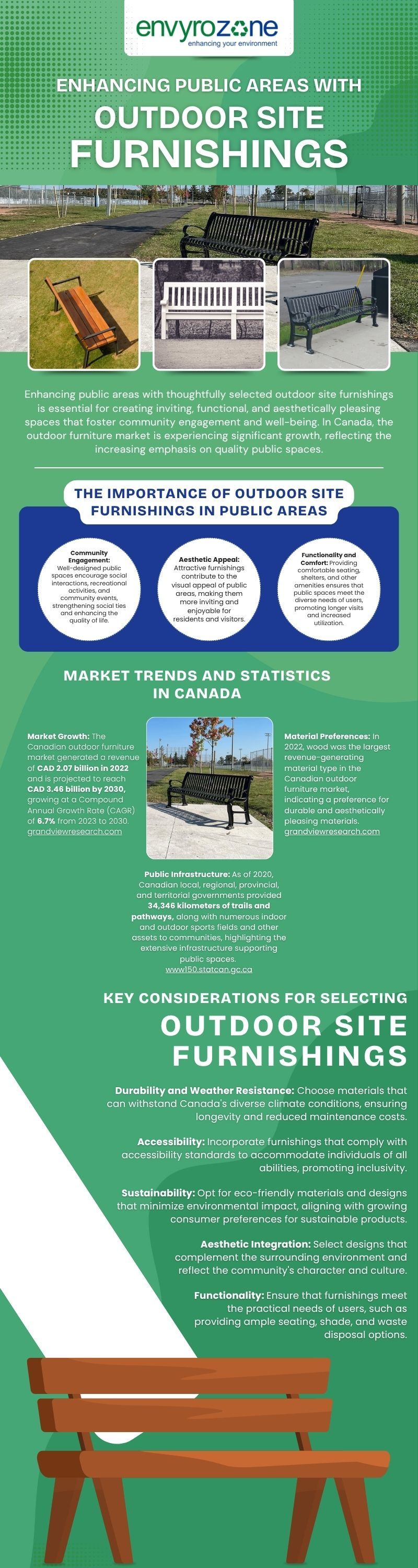
How Do Stylish Outdoor Furnishings Support Waste Policy Goals?
In today’s urban landscapes and commercial environments, effective waste management is no longer just about functionality—it's about aligning with regulatory standards while preserving visual harmony. Municipalities and businesses are under increasing pressure to comply with complex, ever-evolving waste policies. At the same time, there’s a growing demand for public spaces that reflect sophistication, modernity, and environmental stewardship.
Outdoor site furnishings are emerging as a powerful tool in this balancing act. When thoughtfully designed, these solutions provide more than convenience—they deliver compliance, promote sustainable behaviours, and enhance the aesthetic appeal of any space.
Meeting Modern Waste Regulations with Modular Precision
With sustainability policies becoming increasingly stringent across Canada and beyond, public and private sectors need waste solutions that are agile, adaptable, and policy-aligned. Modular outdoor furnishings are designed with these needs in mind. They offer the flexibility to evolve with regulation updates—whether that’s adding separate waste streams for organics, recyclables, or landfill waste.
These systems are built to support waste diversion mandates, landfill reduction efforts, and single-use plastics bans. Thanks to their compartmental design and standardized labelling, they make it easy for users to sort waste correctly—thereby increasing diversion rates and reducing contamination.
A key benefit is? You’re not forced to replace the entire unit when a policy shifts—just swap or add a component. That’s modularity at work, and it’s saving time, money, and materials while supporting environmental responsibility.
From Functional to Fabulous—Designing for Public Engagement
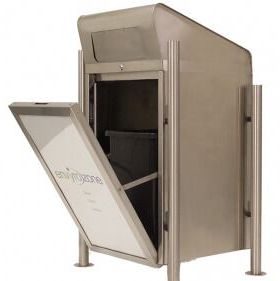
Municipal and commercial property planners have long faced the challenge of blending utility with beauty. The days of rusty, mismatched bins that distract from a space’s design are gone. Today’s outdoor site furnishings are sleek, cohesive, and modern—crafted to complement architecture rather than clash with it.
Design-focused containers encourage public participation in proper waste disposal. When receptacles are attractive and clearly labelled, people are more likely to engage and sort waste correctly. This translates to better compliance, fewer fines, and cleaner public spaces.
Modern furnishings are available in a range of finishes, materials, and colours—ensuring you can align your waste management strategy with your overall design vision, without compromise.
Branding Through Bins—Custom Furnishings as Visual Assets
Outdoor waste and recycling containers can be more than functional; they can become a part of your brand’s narrative. Whether you're a municipality promoting sustainability or a business emphasizing green values, custom furnishings communicate your identity to every passerby.
Laser-engraved logos, bilingual signage, and colour-coded lids are just the beginning. Custom decals, finishes, and messaging allow you to align every element of your furnishings with your sustainability objectives and brand tone.
Think of it as passive promotion—your values are visibly represented in every interaction.
Durability and Low Maintenance Drive Long-Term Value
Municipalities and businesses often work with tight budgets and large-scale needs. Outdoor furnishings must offer long-lasting value. Fortunately, many contemporary waste containers are made with commercial-grade materials—like powder-coated steel and high-density polyethylene—engineered to withstand harsh climates and high-traffic use.
Graffiti resistance, UV protection, and weatherproof finishes mean these units maintain their appearance over time with minimal maintenance. That reduces the lifecycle cost and ensures a cleaner, more inviting environment year-round.
Long-term durability doesn’t just make sense economically—it’s a sustainable choice that aligns with waste reduction strategies and circular economy principles.
Waste Diversion at the Core of Urban Planning
Urban planning is evolving. Cities are embedding sustainability and environmental responsibility into the heart of infrastructure development. Waste management must now work seamlessly within green building standards, smart city technologies, and climate action frameworks.
Outdoor site furnishings that incorporate smart waste technologies—like fill-level sensors and data reporting tools—are helping cities and campuses collect real-time insights. This data helps optimize collection routes, minimize emissions, and ensure bins are never overflowing or underused.
These are the furnishings of the future—designed to work with you, not just for you.
Encouraging Sustainable Habits in Public Spaces
Behavioural psychology teaches us that convenience is key to forming good habits. When waste disposal is intuitive, users are far more likely to make the right choice. That’s why modular furnishings with clear stream indicators, ergonomic access, and educational signage are so effective.
Public engagement doesn’t just come from mandates—it stems from intuitive design that makes sustainability second nature. With bins placed strategically and designed thoughtfully, people are guided—almost subconsciously—toward environmentally sound behaviour.
In turn, this helps municipalities meet their waste diversion targets and supports businesses in reaching their CSR (Corporate Social Responsibility) goals.
The Future Is Flexible—Planning for Tomorrow’s Waste Streams
One of the key advantages of modular furnishings is their adaptability. As governments tighten policies on e-waste, compostables, or new categories like personal hygiene products, static bin solutions can quickly become outdated.
With modular systems, you can pivot effortlessly. New streams can be integrated into the system by adding a component or upgrading signage—no need to overhaul your entire site. This adaptability makes future-proofing your investment easier and positions your organization as proactive and responsive to policy evolution.
For developers, architects, and sustainability officers, this level of foresight is not just an asset—it’s essential.
A Seamless Blend of Design, Compliance, and Functionality
Outdoor site furnishings no longer sit at the fringe of planning discussions—they’re central to urban and commercial space design. Whether you’re retrofitting a park, building a transit hub, or designing a corporate campus, your waste strategy plays a vital role in how that space operates and is perceived.
Design-forward waste solutions are closing the gap between environmental compliance and aesthetic value. They’re not a compromise; they’re a convergence.
You can meet policy goals, foster sustainable behaviour, and elevate the visual experience of your space—all through thoughtful, high-performing outdoor furnishings.
Discover the Modular Difference with a Trusted Partner
At Envyrozone, we specialize in innovative, sustainable, and stylish waste and recycling solutions tailored to meet evolving municipal and corporate needs. Our modular systems are built with flexibility, compliance, and long-term value in mind. We offer a wide variety of designs and customizable options that allow your business or city to stay one step ahead of waste regulations—while enhancing the visual appeal of your space.
From commercial-grade containers to smart sensor-integrated units, we provide waste furnishings that don't just do the job—they elevate it. As a Canadian company, we take pride in supporting cleaner, greener communities across the country.
Transform your space and meet waste goals effortlessly with Envyrozone’s stylish, sustainable outdoor furnishings.