Why Should Public Spaces Invest in Smarter Outdoor Furnishings?

February 2, 2026

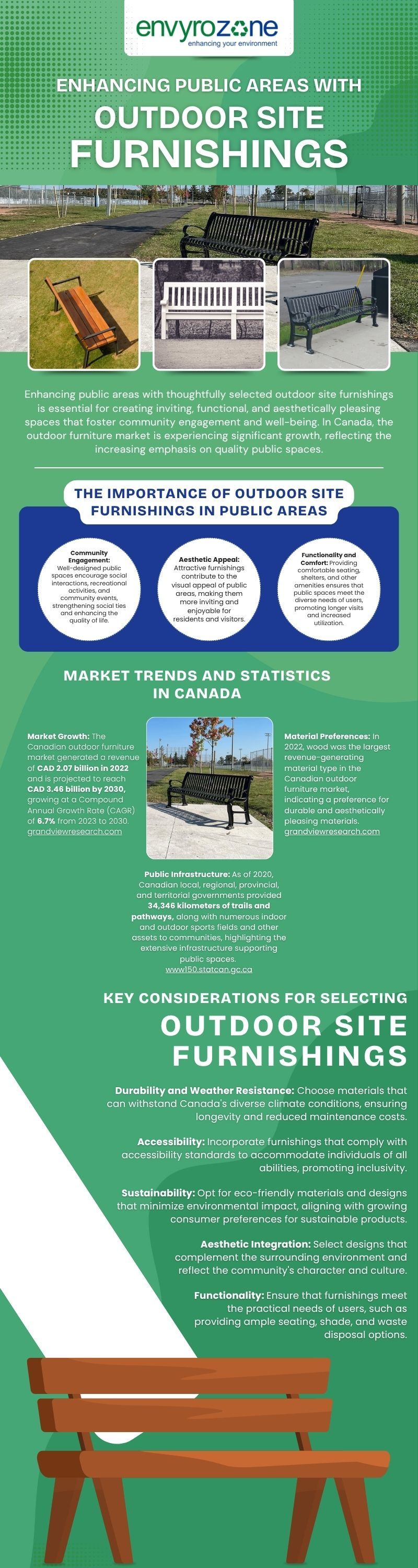
In today’s design-forward era, urban planning goes beyond concrete and infrastructure. It’s about creating inviting, inclusive, and intuitive spaces that reflect the needs of the community while seamlessly merging beauty and function. One of the most underrated yet impactful elements in this transformation is outdoor site furnishings—strategic installations like benches, bins, bike racks, and signage that elevate both the aesthetic and functionality of public areas.

From sprawling parks and bustling college campuses to contemporary commercial plazas, high-quality outdoor furnishings act as silent storytellers of the space. They whisper ease, order, hospitality, and environmental awareness. This blog explores how these elements are shaping tomorrow’s cities—and why investing in them is no longer a luxury but a necessity.

Merging Purpose with Personality: Why Design Matters

Gone are the days when site furnishings were purely utilitarian. Today, they’re crafted to complement architectural identity, celebrate local culture, and support community interactions. A bench is no longer just a bench—it’s a gathering point, a viewpoint, a rest stop, or a social hub.

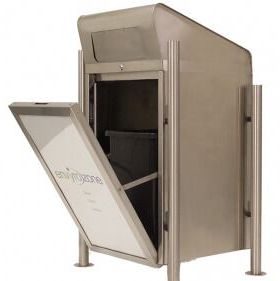
Bins, for example, have evolved from plastic afterthoughts to artistically engineered recycling centres that promote sustainability. Thoughtfully placed and clearly labelled, modern waste receptacles reduce litter and educate users with just a glance. Stylish steel and powder-coated finishes match contemporary designs, while heavy-duty construction stands up to Canadian weather conditions.

Meanwhile, benches and seating offer more than a place to sit—they provide comfort, encourage interaction, and contribute to a cohesive outdoor experience. Whether you’re on a waterfront promenade or nestled in a community garden, a well-placed bench invites you to pause, reflect, and connect with the space around you.

The Psychological Impact of Well-Designed Outdoor Furnishings

People naturally gravitate to well-kept, thoughtfully designed public spaces. It’s a phenomenon rooted in psychology—beauty invites care, and functionality invites use. Clean, comfortable, and organized environments influence how safe, welcoming, and relaxed people feel.

Take signage, for example. Clear, well-designed outdoor signs reduce confusion, provide accessibility, and can even act as passive wayfinding for newcomers. When thoughtfully integrated into their surroundings, signs enhance the character of a space and reflect the pride a city or campus takes in its environment.

This aesthetic coherence fosters a sense of belonging and trust among users. It communicates that their experience has been considered. And in turn, it encourages responsible usage and increased engagement—a win for municipalities, universities, and property managers alike.

Sustainability Is No Longer Optional

Sustainable design isn’t just a trend—it’s the expectation. Public spaces that actively demonstrate environmental stewardship are more likely to gain community approval and long-term use. Site furnishings play a critical role in meeting this expectation.

Smart waste receptacles with recycling and composting divisions, solar-powered bins, or touch-free operations encourage responsible waste disposal while lowering the operational burden on city staff. Durable, weather-resistant materials like stainless steel, aluminium, and recycled plastics ensure longevity and reduce the need for replacement.

What’s more, sourcing furnishings from manufacturers that align with eco-conscious values can reduce carbon footprints and support a circular economy. When public investments consider sustainability from the outset, it translates into lasting benefits for generations.

Designing for Accessibility and Inclusion

Creating a truly public space means designing for everybody. Accessibility is no longer optional—it’s essential. Site furnishings must accommodate individuals with mobility issues, visual impairments, and other physical challenges.

From armrest-equipped benches to low-profile bins and braille signage, inclusive design ensures all users can interact with the environment comfortably and safely. It’s not just about compliance—it’s about dignity and equality.

By integrating accessible furnishings, public space managers create environments that empower rather than isolate. And that, in turn, builds stronger, more compassionate communities.

Commercial and Institutional Spaces: A Branding Opportunity

Site furnishings aren’t just for public parks—they’re powerful branding tools for corporate campuses, retail developments, and educational institutions. In fact, well-designed furnishings can subtly reinforce a brand’s image.

Think of a corporate headquarters with sleek, custom-branded bins that showcase a commitment to sustainability. Or a university quad with vibrantly painted benches that reflect school colours and encourage socialization. These elements signal intentionality and thoughtfulness in every visitor interaction.

In commercial spaces, comfort and cleanliness directly affect foot traffic and dwell time. Adding more seating, shaded areas, and easy-to-navigate signage can significantly improve customer satisfaction and encourage repeat visits.

Durability Meets Design: Weathering the Canadian Climate

Outdoor site furnishings in Canada must brave harsh winters, rain, and scorching summers. That’s why durability is as crucial as design. Weatherproof coatings, corrosion-resistant metals, and vandal-resistant features ensure longevity and minimize maintenance.

High-quality manufacturers offer furnishings built to withstand both the test of time and climate. From snow-resistant finishes to easy-drain seating, each design detail counts.

Smart Integration: Blending Furniture with Urban Infrastructure

Today’s cities are getting smarter—and outdoor furnishings are following suit. The latest advancements blend furniture with technology, bringing convenience and innovation to the public realm.

You’ll find solar-powered bins with built-in sensors to alert cleaning crews when they’re full. Benches with USB charging stations offer mobile users a way to power up on the go. Interactive signage can display dynamic content such as event schedules or emergency alerts.

Creating Cohesive Spaces with Coordinated Collections

Consistency breeds comfort. A cohesive suite of site furnishings—matching bins, benches, tables, and signage—creates a visual language that’s easy to understand and pleasant to navigate. It also elevates the professionalism and harmony of a space.

Elevating Public Spaces with Sustainable Style and Lasting Impact

At Envyrozone, we believe that public spaces should be as beautiful as they are functional. Our team is passionate about designing and supplying innovative, sustainable, and stylish outdoor furnishings that transform ordinary spaces into extraordinary environments.

Discover how Envyrozone can transform your outdoor space—where smart design meets lasting sustainability.
February 2, 2026
Discover how smarter, clearly labelled recycling bins reduce contamination, improve waste diversion, and support sustainability goals across commercial, municipal, and public spaces in Canada.
By Nik U July 14, 2025
Compare local vs. overseas recycling bin manufacturers to make informed sourcing decisions. Explore the pros and cons of each option and find the best fit for your sustainability goals with Envyrozone.
By Nik U July 14, 2025
Explore custom-built recycling stations designed for high-traffic environments. Discover durable, efficient, and visually appealing solutions tailored to meet your sustainability goals with Envyrozone.
By Nik U July 14, 2025
Discover why modular design is essential in commercial recycling bins. Learn how flexible, scalable, and efficient designs improve waste management and support sustainability goals with Envyrozone.
By Nik U July 14, 2025
Explore the ultimate material guide for recycling containers. Learn how to choose the best materials based on durability, sustainability, and design needs with expert insights from Envyrozone.
By Nik U July 14, 2025
Learn how custom manufacturing of recycling containers helps businesses meet compliance and green certification standards. Discover sustainable solutions tailored to support your environmental and regulatory goals with Envyrozone.
By Nik U July 1, 2025
Learn how coordinated site furnishings can transform public spaces. Discover design strategies that enhance functionality, aesthetics, and user experience with Envyrozone’s expert solutions.
By Nik U July 1, 2025
When it comes to planning outdoor spaces, whether it’s a city park, a university campus, or a busy shopping plaza, having the right waste and recycling bins in the right spots is a must. But it’s not just about putting a bin here and there. We believe the way we place them matters a lot. Good litter bin site planning helps keep our public spaces clean, easy to use, and pleasant for everyone. At Envyrozone, we always keep it simple and clear. We focus on making sure bins are easy to find and use, so people don’t have to go out of their way to do the right thing. When bins are in the right places, it becomes second nature for everyone to keep the area tidy. We also follow recycling bin placement guidelines that make sense for each space. This means thinking about how people move through the area and making sure bins are always close by when needed. Whether it’s by a bench, near a walkway, or close to food stalls, good bin placement helps everyone do their part. Follow the Foot Traffic Start by watching how people move around the space. We should place bins where folks naturally walk, like along pathways, sidewalks, and near benches, and in busy spots like food courts or bus stops. When a bin is close by, people are more likely to use it. That helps cut down on litter and keeps the place looking clean and nice. A good way to think about it? If someone walks 25 to 30 steps without seeing a bin, they might just toss their trash on the ground. That’s why recycling bin placement guidelines suggest putting bins where they’re easy to spot and reach. We want to make sure that no matter where someone’s going, there’s always a bin nearby. That way, there’s no excuse for trash to end up on the ground. It's a simple step, but it goes a long way in keeping our spaces tidy and welcoming for everyone. Visibility is Everything You’d be surprised how often a bin gets missed just because it’s tucked behind a bench or blends into the background. We make sure our bins are easy to see. Bright colours, clear labels, and placing them where people naturally walk, like entrances or busy corners, help everyone know exactly where to toss their rubbish. When we have more than one bin, like waste, recycling, and compost, it becomes even more important to have signs that are simple and clear. Each type of bin should look different with colours and pictures that make sense. This helps people sort their waste the right way without having to stop and think too much. We keep litter bin site planning in mind from the start so everything fits well into the space and works with how people move around. Our bins aren’t just containers for rubbish; they become a natural part of the area. Accessibility Shouldn't Be an Afterthought Inclusive design means thinking about everyone, including people with disabilities. That’s where ADA considerations come in. We always want to make sure that receptacles are easy to reach from a wheelchair and have clear access in front of them. Lids should be simple to open with one hand and should not need a tight grip or twisting. If we’re using stations with doors or flaps, let’s make sure they open without much effort. The area around the bin should also be strong and even. It’s better to have paved paths instead of gravel or soft grass so that everyone can get to the bin easily. These recycling bin placement guidelines help us create spaces that are easy and comfortable for all people. When we follow them, we make our place more open and friendly. Keep Entrances Clear While it may seem like a good idea to place bins right at the entrance of a building or facility, we’ve found that this can actually cause clutter and make it harder for people to move in and out. Instead, we follow recycling bin placement guidelines that suggest placing bins just outside the main walking paths. That way, we avoid crowding while still keeping things easy and handy for everyone. Another helpful step we take is putting bins close to exits of seating areas, food trucks, or picnic spots. People usually throw away their trash as they leave, so it just makes sense to have bins nearby. It keeps things neat without much effort. We always try to follow simple and clear litter bin site planning tips to make cleanup easier and to help people do the right thing. At the end of the day, it's all about keeping our spaces clean, tidy, and welcoming for everyone. Spacing Matters More Than You Think Too many bins in one place can feel a bit much, while too few can leave people unsure where to throw their trash. That’s where litter bin site planning really helps. We want to make it easy for everyone to do the right thing without making the space look cluttered. In big open areas, we find that a simple grid works well. Placing bins around 100 to 150 feet apart usually keeps things neat and within reach. For walkways or trails, one bin every 300 to 500 feet is often just right. We also like to group bins near busy spots where people gather. But we’re careful not to crowd the area with too many. It’s all about finding that sweet spot. We want enough bins so people never have to look too far, but not so many that they take over the whole view. Final Thought Proper bin placement is more than just a maintenance issue; it’s part of building a cleaner, safer, and more enjoyable place for everyone. When we follow simple and thoughtful placement methods, we make it easier for people to use the bins and also show that we care about keeping the area clean and welcoming. Whether we’re looking after a park, school campus, shopping area, or city walkway, a bit of careful planning goes a long way. At Envyrozone, we believe that litter bin site planning is not just about where the bin goes. It’s about making sure the bin fits in well with the surroundings and helps people do the right thing without thinking twice. By placing bins the right way, we help support good habits and keep things neat without affecting how the place looks. Following easy steps for recycling bin placement helps the bins do their job while still looking like they belong there. Contact Envyrozone today to create cleaner, smarter outdoor spaces with expertly placed waste and recycling solutions.
By Nik U July 1, 2025
Explore custom branding options for outdoor waste bins. Enhance your brand visibility and promote sustainability with personalized, high-quality waste solutions from Envyrozone.