Commercial Recycling Containers That Make Recycling Easy and Look Good
New Paragraph
Talk To Our Designers
We can help with Designs, Specs, Catalogues and Quotes.
Contact Us
Maintaining clean, organized waste and recycling areas in commercial spaces can be a challenge. Messy disposal zones, contamination from mixed waste, inconsistent participation, and unappealing containers often make recycling programs less effective. For property managers, facility teams, and business owners, these issues not only impact sustainability goals but also affect the overall appearance of customer-facing areas.
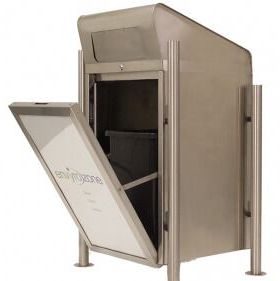
Envyrozone offers a range of commercial trash cans and commercial outdoor trash cans designed for durability, functionality, and visual appeal. Our containers are engineered to perform in high-traffic public spaces while encouraging proper waste sorting and recycling participation. The solution is simple: choose the right container, place it correctly, label it clearly, and you’ll achieve better recycling outcomes while maintaining a clean, professional environment.
Commercial vs. Office Recycling Containers: What’s the Difference?
Selecting the right recycling container depends on the environment and user behavior. Commercial and office spaces have unique requirements that affect container design, durability, and usability.
Commercial Recycling Containers (Public-Facing + High Traffic)
Commercial recycling containers are built for heavy use in public spaces like shopping malls, campuses, parks, transit areas, and business districts. They must withstand constant traffic, resist weather when placed outdoors, and remain easy to service. Clear labeling and well-designed openings guide proper waste disposal, reducing contamination and improving recycling program results.
Office Recycling Containers (Workplace + Employee Habits)
Office containers prioritize efficiency and aesthetics for indoor environments. Space-conscious designs, clean finishes, and simple daily emptying processes encourage employees to participate consistently. Clear labeling helps prevent “wish-cycling,” ensuring that recyclable materials are correctly sorted and contamination is minimized.
Office Recycling Containers That Employees Actually Use
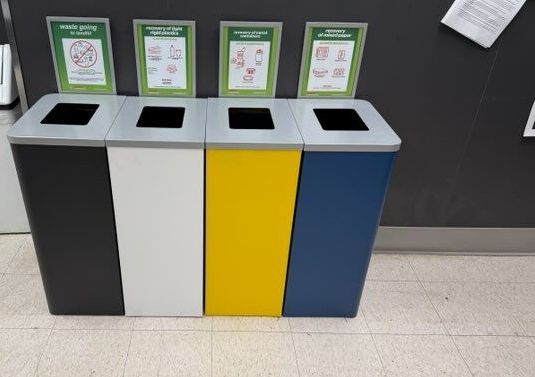
Office recycling containers are designed to integrate seamlessly into workspaces while encouraging consistent employee participation. Slim, compact designs ensure that even tight areas hallways, copy rooms, breakrooms, or under-counter zones, can accommodate bins without disrupting workflow. Space-smart containers make recycling convenient and maintain a clean, organized office environment.
- Space-Smart Designs for Tight Areas
Compact, vertical, or under-counter designs allow bins to fit where standard containers cannot, maximizing utility without taking up valuable floor space. Employees are more likely to recycle when containers are accessible, visually unobtrusive, and thoughtfully placed.
- Reduce Contamination With Clear Cues
Openings designed for specific waste streams, clear labels, and consistent visual cues reduce mistakes and contamination. Practical tips, such as keeping instructions concise and readable from a distance, ensure employees quickly identify the correct disposal option.
- Make Emptying Easy for Facilities Teams
Service-friendly access, removable compartments, and standardized sizes simplify daily collection. Thoughtful placement and accessibility reduce staff effort, save time, and help maintain a clean, organized office, ensuring a functional and sustainable recycling program for employees and facilities teams alike.
How to Choose the Right Commercial Recycling Container
Selecting the right container is essential for an effective recycling program in commercial and public spaces. The process begins by understanding your waste streams. Containers with pre-sort openings help guide users to deposit materials correctly, reducing contamination and improving overall recycling rates.
1) Start With Waste Streams
Single-stream stations allow all recyclables in one bin, while two-stream and multi-stream stations separate recyclables, organics, and trash. Pre-sort features, such as labeled compartments and specialized openings, help users identify the correct stream quickly. This guidance is particularly important in high-traffic areas, where contamination is most likely to occur.
2) Match Capacity to Traffic + Collection Schedules
High-traffic locations, such as malls, campuses, or transit hubs, require larger commercial outdoor trash cans or more frequent servicing to prevent overflow. Smaller offices or moderate-use areas may manage with standard-sized bins, but consistent collection schedules are essential for maintaining clean, functional spaces. Proper capacity planning ensures a seamless, user-friendly recycling experience.
3) Placement Matters More Than You Think
Placement significantly influences user behavior. Position trash bins adjacent to recycling containers to reduce “lazy tosses.” Place stations at key decision points, including exits, food courts, hallways, and common walkways, to maximize visibility and encourage proper sorting. Strategic placement supports both operational efficiency and positive user compliance.
4) Choose the Right Build & Finish
Outdoor or semi-exposed locations require durable, weather-resistant materials. For indoor spaces, materials and finishes should balance durability with aesthetics. Selecting containers that are easy to clean, corrosion-resistant, and visually appealing ensures long-term performance while supporting sustainability and design goals.
Features to Look for in Commercial Recycling Containers
When selecting commercial recycling containers, looking beyond basic capacity helps ensure long-term success in busy environments. The right features improve durability, reduce contamination, and make recycling easier for every user, whether indoors or outdoors.
- Durability for Public Spaces: Containers should be built to withstand heavy traffic, frequent handling, and years of use in malls, campuses, transit areas, and shared properties without showing excessive wear.
- Effective Pre-Sort Design: Effective pre-sort design plays a major role in recycling accuracy. Clearly defined openings, stream-specific shapes, and thoughtful configurations guide users toward correct disposal and significantly reduce contamination in mixed traffic areas.
- Modern Aesthetics: Modern aesthetics matter more than many facilities expect. Clean lines, coordinated finishes, and professional designs allow containers to elevate the environment instead of looking like an afterthought or utility item.
- Right Sizing: Right sizing supports daily operations. Medium, large, and extra large options allow facilities to match container volume to traffic levels and collection schedules, preventing overflow while avoiding unnecessary servicing.
- Security-Conscious Options: Security-conscious options may be necessary in sensitive locations. Clear view panels or controlled access designs can discourage unwanted items while maintaining visibility, safety, and confidence in public or commercial settings.
These combined features create recycling stations that are easier to maintain, more intuitive for users, and better aligned with long-term sustainability, cleanliness, and brand presentation goals across diverse environments.
Recommended Use Cases
- Malls & Property Management: Malls and property management environments require recycling solutions that balance capacity, durability, and appearance. High-traffic common areas benefit from large commercial trash cans, commercial outdoor trash cans, and multi-stream stations that handle volume while maintaining a clean, professional look throughout the property.
- Commercial Offices & Mixed-Use Buildings: Commercial offices and mixed-use buildings perform best with consistent recycling stations on every floor. Standardized placement improves participation, reduces confusion, and supports efficient collection routines for facilities teams while keeping shared spaces organized.
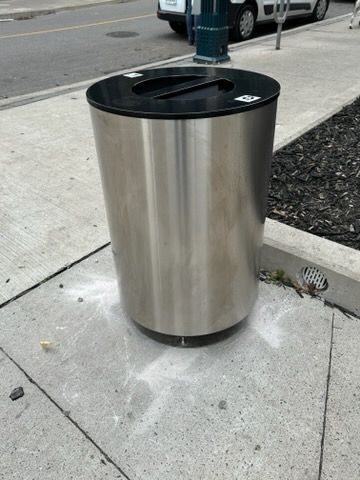
- Public Spaces (Cities, Transit, Campuses): Rugged construction and weather-resistant commercial outdoor trash cans withstand heavy traffic, frequent use, and outdoor conditions. Clear pre-sort guidance and strategic placement near entrances, pathways, and food areas promote proper disposal and support municipal sustainability goals.
Thoughtful placement and appropriate sizing across these environments reduce overflow, limit contamination, and improve overall recycling performance while reinforcing positive impressions for tenants, visitors, and community members who interact with the space daily and expect clean, well-managed surroundings at all times.
Explore Envyrozone Recycling Container Options
Envyrozone offers a complete lineup of commercial trash cans and recycling containers designed for durability, usability, and sustainability. Each product performs reliably in high-traffic environments while complementing commercial or public spaces. Featured options include:
- Hazelton Recycling Container: The Hazelton Recycling Container delivers reliable performance in high-traffic areas where durability and ease of service are critical.
- Signature Recycling Container: The Signature Recycling Container offers a premium aesthetic suited for customer-facing spaces that require both function and visual appeal.
- Domain Recycling Container: The Domain Recycling Container provides multiple size options, allowing facilities to match capacity to traffic levels and collection schedules with confidence.
Together, these containers help organizations implement recycling programs that are practical, visually cohesive, and built for long-term use. They also integrate seamlessly with commercial trash cans and station layouts across diverse properties and industries nationwide today.
Custom Recycling Stations for Your Space
Envyrozone provides custom recycling stations designed to meet the unique needs of each property. Custom solutions support branding, accommodate specific waste streams, and ensure consistency across offices, campuses, and public-facing environments.
Options include tailored footprints for tight or unconventional spaces, material selections suited to indoor or outdoor exposure, and stream configurations that align with sustainability goals. Custom finishes, colors, and labeling help reinforce brand identity while improving user understanding.
Our designers work closely with facilities teams to deliver accurate specifications, detailed catalogues, and clear quotes. This collaborative approach ensures each station balances durability, usability, and appearance. These stations are ideal for organizations seeking cohesive design, operational efficiency, and consistent recycling performance across multiple locations and use cases in nationwide environments. Talk to our designers today to create a recycling solution that is fully customized for your space and operational goals.
Frequently Asked Questions
What makes commercial recycling containers different from standard bins?
Commercial recycling containers are designed for higher traffic, durability, and long-term use. They feature stronger materials, clearer stream guidance, and larger capacity. These designs support consistent use in public and commercial environments.
How do pre-sort features reduce recycling contamination?
Pre-sort openings guide users to place items in the correct stream before disposal. This reduces guesswork and prevents non-recyclable items from entering recycling bins. Clear visual cues improve accuracy in busy spaces.
Where should commercial recycling containers be placed for best results?
Containers should be placed at decision points such as exits, food areas, and main walkways. Trash should always be positioned next to recycling to reduce incorrect disposal. Visibility and convenience strongly influence user behavior.
Can recycling containers be customized for branding or space limitations?
Yes, custom recycling stations can be tailored for branding, size constraints, and specific waste streams. Custom options help maintain design consistency across properties. They also improve functionality in unique or high-traffic spaces.